
The south of France. Just saying it out loud feels like sunshine on your face. But when it comes to actually picking where to go, it gets complicated fast. Provence ? The Côte d’Azur ? The Languedoc ? There are so many options that it’s easy to spend more time choosing than actually packing your bag.
This guide cuts through the noise. Whether you’re after beaches, historic villages, good food, or just a place where you can slow down properly, the south has something for every kind of traveller. And if you’re considering a more flexible, nature-friendly stay, it’s worth checking out camping-sud-de-la-france.fr – a solid resource for finding campsites across the whole region.
Let’s get into it.
Provence : The Classic Choice, and for Good Reason
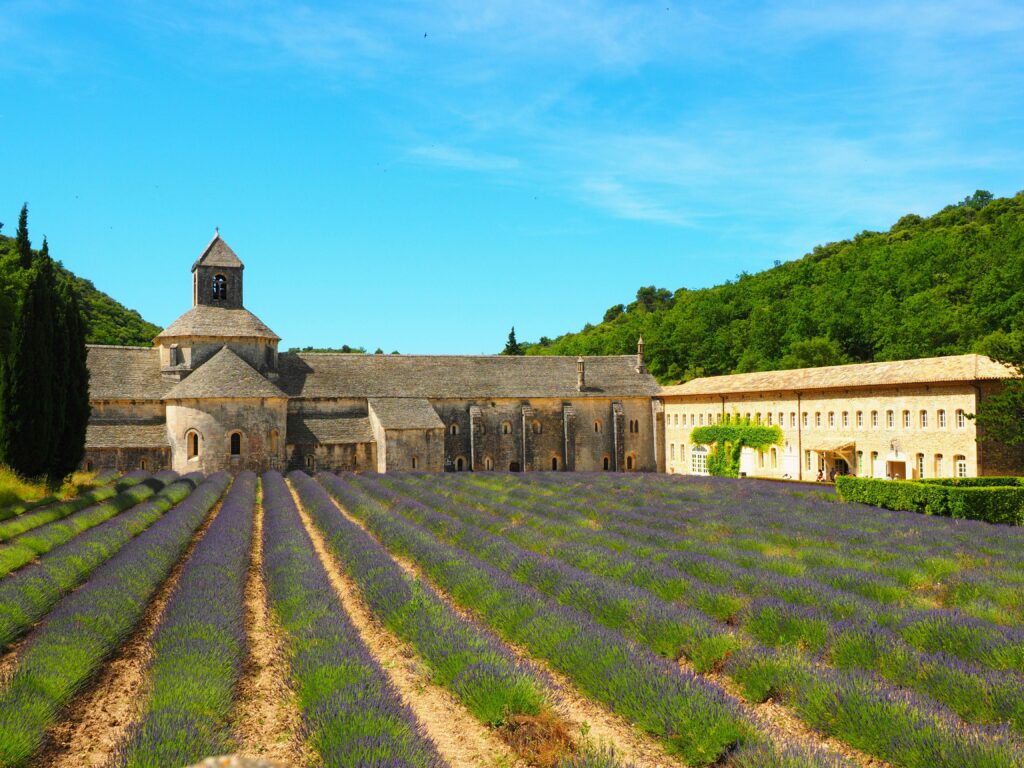 Frankly, Provence earns its reputation. It’s not overhyped. The lavender fields around Valensole in July, the ochre cliffs of the Luberon, the Saturday market in Apt – these are the kinds of things that stick with you.
Aix-en-Provence is probably the most accessible entry point. It’s a proper city – cafés, fountains, a beautiful old town – but it never feels overwhelming. Easy to get to by TGV, too.
If you want something quieter, head into the Luberon. Villages like Gordes, Bonnieux or Ménerbes are stunning. Maybe a touch touristy in August, but visit in May or September and it’s a completely different experience. Narrow stone streets, almost no crowds, and views that make you stop mid-sentence.
The Côte d’Azur : Yes, Even With the Crowds
Everyone warns you about the Côte d’Azur in summer. And they’re right – it can feel like half of Europe showed up at the same time. But here’s the thing : it’s still worth it, if you plan smart.
Nice is genuinely one of the best cities in France. The old town, the Promenade des Anglais at sunrise, the local market on Cours Saleya – it all delivers. Don’t sleep on the Musée Matisse either if you’re into art.
For beaches, the area between Antibes and Juan-les-Pins offers a slightly calmer vibe than Cannes or Saint-Tropez. I find that people often rush past Antibes, which is a shame – the old harbour and the Picasso Museum inside the château are genuinely impressive.
Saint-Tropez? Go if you’re curious, but maybe just for a half-day. The port is beautiful. The prices are another story.
The Languedoc : The South’s Best Kept Secret
Okay, not exactly a secret anymore, but still massively underrated compared to Provence and the Riviera.
The Languedoc stretches along the coast from the Camargue to the Spanish border, and it has a completely different feel. Less polished, more raw. Montpellier is a young, energetic city – university town, great food scene, easy to explore on foot. Around two hours from Paris by TGV.
Further west, the Hérault department is quietly spectacular. The Gorges de l’Hérault, the ancient village of Saint-Guilhem-le-Désert, the Lac du Salagou with its extraordinary red earth – these places feel a world away from the crowded Riviera beaches.
And the coastline ? Huge sandy beaches, often almost empty outside July-August. Sète, the Bassin de Thau, the Étang de l’Or – this is where French families actually go on holiday.
The Occitanie Interior : For Those Who Like to Go Off the Map
If beaches aren’t your thing and you prefer mountains, rivers, and medieval history, look towards the interior.
Carcassonne is one of the most impressive fortified cities in Europe – and yes, it’s as dramatic as the photos suggest. Go early morning before the tour buses arrive. You’ll have the ramparts almost to yourself.
The Gorges du Tarn and the Millau Viaduct area offer spectacular scenery, especially if you enjoy driving or cycling through dramatic landscapes. The viaduct itself – which at one point rises over 270 metres – is one of those engineering things you see and genuinely can’t believe exists.
The Camargue : Flamingos, White Horses, and Flat Horizons
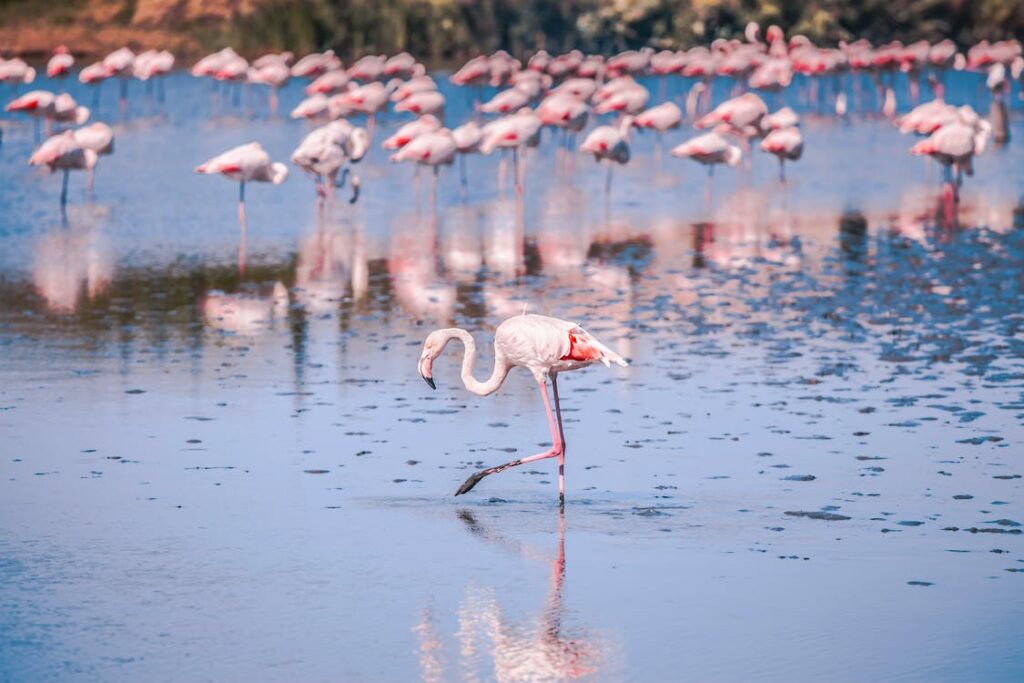 The Camargue is weird. In the best way.
It’s a vast wetland delta between Arles and the sea, and it doesn’t look like anywhere else in France. Pink flamingos wading in shallow lagoons, wild white horses running on open plains, black bulls grazing near rice paddies. It’s not a classic holiday destination but it’s the kind of place that surprises you completely.
Saintes-Maries-de-la-Mer is the main town – a bit quirky, a bit touristy, but with real character. And the surrounding nature reserve is brilliant for birdwatching and cycling.
So, Which Destination Should You Choose ?
It depends on what you’re after, really.
For culture and food : Aix-en-Provence or Nice.
For beaches without the crowds : The Languedoc coast.
For something unexpected and off the beaten track : The Camargue or the Hérault.
For dramatic scenery and medieval history : Carcassonne and the Tarn gorges.
For the full Provence postcard experience : The Luberon villages in spring or early autumn.
The south of France rewards people who take the time to look beyond the obvious. Pick a base, leave some room for spontaneity, and don’t try to see everything in a week. The region is too good to rush.
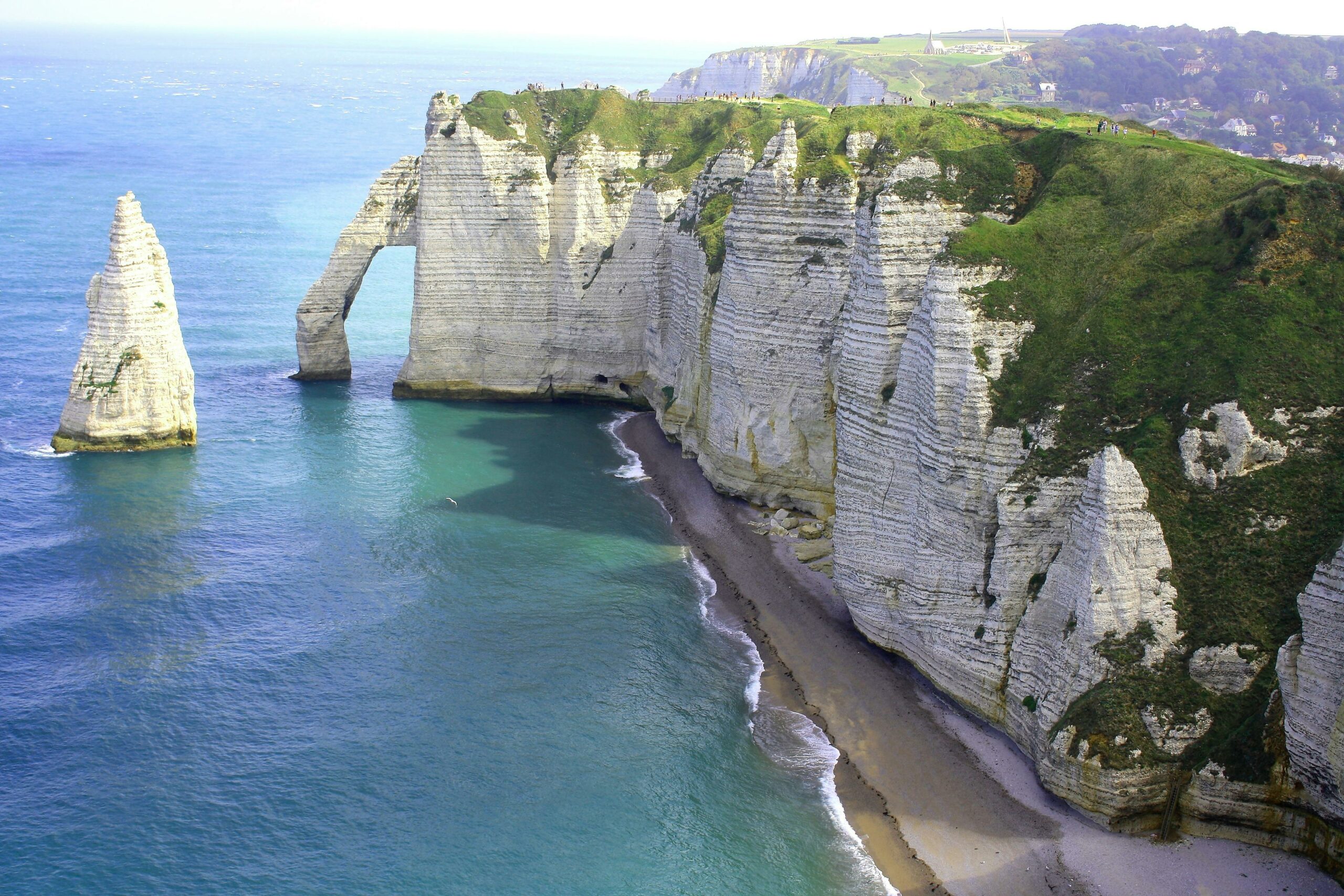
Where to Go on Holiday in the South of France? The Best Destinations for an Unforgettable Trip
The south of France. Just saying it out loud makes…
Where to Go on Vacation This Summer: The Best Destinations for Every Budget
Summer is almost here, and the big question is already…