
The south of France. Just saying it out loud makes you want to pack a bag. Sun, sea, lavender fields, rosé wine at noon – honestly, it’s hard to go wrong. But when you start actually planning, the question hits fast : where exactly do you go ? Because “the south of France” covers a huge amount of ground, from the Basque Country all the way to the Italian border. And each region has its own vibe, its own rhythm, its own reasons to visit.
In this article, I’m breaking down the best destinations in the south of France depending on what you’re after – whether that’s beaches, nature, culture, or just a slow holiday with good food and zero stress. If you’re thinking about a more outdoorsy trip, by the way, the site https://www.camping-sud-de-la-france.fr is a solid resource for finding the right campsite in the region.
The Côte d’Azur : Glamour, Sun and Yes, Crowds
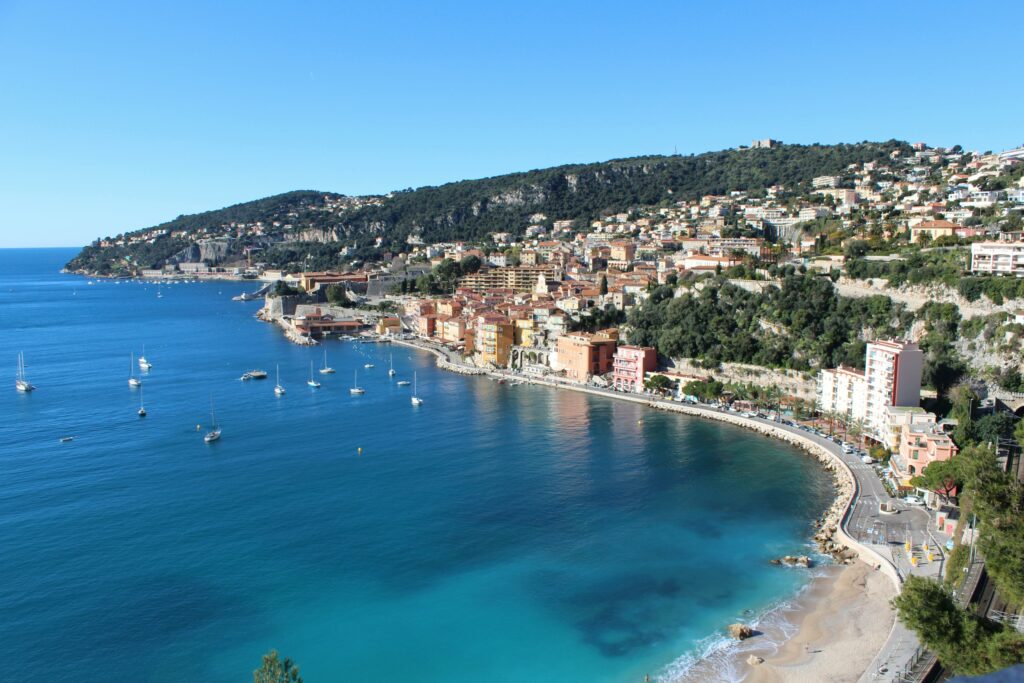
Nice is a great base. The old town is compact, colourful, and easy to explore on foot. The Promenade des Anglais is worth a walk even if it’s a bit tourist-heavy. And the hills behind the city – the arrière-pays niçois – are way underrated if you want to escape the heat.
That said, I won’t pretend the Côte d’Azur is a hidden gem. In July and August, it’s packed. Prices go up. Parking becomes a nightmare. If you’re going in peak season, go in with realistic expectations – or head inland for a day or two to breathe.
Provence : The Destination That Never Disappoints
If I had to pick one region that consistently delivers, it’s Provence. There’s something almost cinematic about it. The villages perchés – Gordes, Les Baux-de-Provence, Roussillon – look like they were designed for postcards. The Luberon is full of that kind of quiet, slow beauty that’s hard to find elsewhere.
Aix-en-Provence is a lovely city to spend two or three days. Good market, great café culture, and Cézanne’s studio is worth a visit if you’re into that sort of thing. Avignon is another strong option, especially with the Festival d’Avignon in July – though again, book well in advance if you’re going during the festival.
The lavender fields near Valensole and the Plateau de Valensole are at their best from late June to mid-July. If you miss that window, it’s fine – Provence is beautiful year-round. But the lavender season is genuinely spectacular.
Occitanie and the Languedoc Coast : Less Hype, Just as Good
Here’s a region that maybe doesn’t get enough credit. The Languedoc-Roussillon coast – between Montpellier and the Spanish border – has long sandy beaches, lagoons, flamingos (yes, really), and significantly fewer tourists than the Riviera.
Montpellier is a young, energetic city with a great historic centre and easy access to the coast. Sète is a fishing port with a very authentic feel – canals, seafood, and a strong local identity that feels refreshingly un-touristy. And Collioure, near Perpignan, is one of those small seaside towns that looks almost too pretty to be real.
Inland, the Gorges du Tarn and the Canal du Midi are both worth the detour. The Canal du Midi especially – a UNESCO World Heritage Site, nearly 240 kilometres long – is perfect for a slow boat holiday or a cycling trip.
The Basque Country : A Region Apart
Technically still the south, but the Basque Country feels like a completely different world. The coastline around Biarritz and Saint-Jean-de-Luz is dramatic and wild, with serious Atlantic swells and a surf culture that gives the whole area a different energy to the Mediterranean coast.
The food here is arguably the best in France. Pintxos bars, fresh tuna, sheep’s cheese, Espelette pepper – I’ll be honest, I’d go back just for the food. Bayonne is the kind of city that’s easy to underestimate and hard to forget once you’ve been.
And the landscape – green hills, the Pyrenees in the background, ocean views – it’s striking in a way that surprises people who come expecting something more typically “southern French.”
The Dordogne and the Lot : For a Slower Kind of Holiday
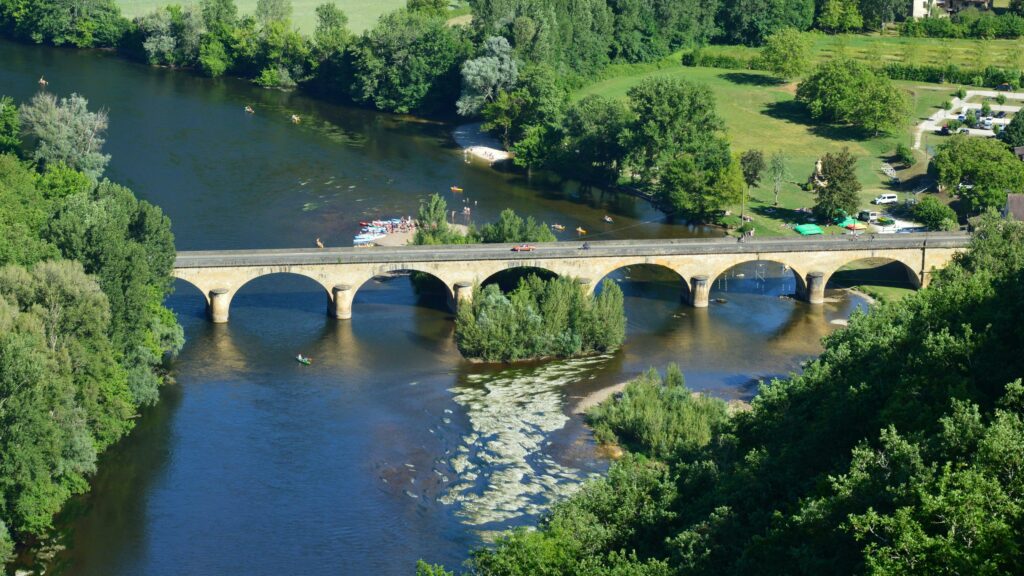
Sarlat-la-Canéda is the most visited town in the area and for good reason – the medieval centre is almost entirely intact and genuinely impressive. The Gouffre de Padirac, a giant natural chasm with an underground river, is one of those places that sounds gimmicky but actually takes your breath away.
This part of France is especially good for families or for people who want a trip that isn’t all about beaches and nightlife.
So, Which Destination Should You Choose ?
It really depends on what you’re looking for. Here’s a quick way to think about it :
You want beaches and sun with some glamour ? → Côte d’Azur or Languedoc coast.
You want beautiful landscapes, villages and a slower pace ? → Provence or the Dordogne.
You want great food, surf and a different cultural vibe ? → Basque Country.
You want something off the beaten track with nature and space ? → Occitanie interior, Gorges du Tarn, or the Lot valley.
The south of France is big enough that you could spend years exploring it and still find something new. Start with a region that matches your travel style, go deep rather than trying to cover everything, and leave room for the unexpected. That’s usually where the best memories come from.
Where to Go on Holiday in the South of France: The Best Destinations for a Great Trip
The south of France. Just saying it out loud feels…
Where to Go on Vacation This Summer: The Best Destinations for Every Budget
Summer is almost here, and the big question is already…